

How to Choose the Right Photographer for Your Boutique Hotel (Without Getting Generic Images)
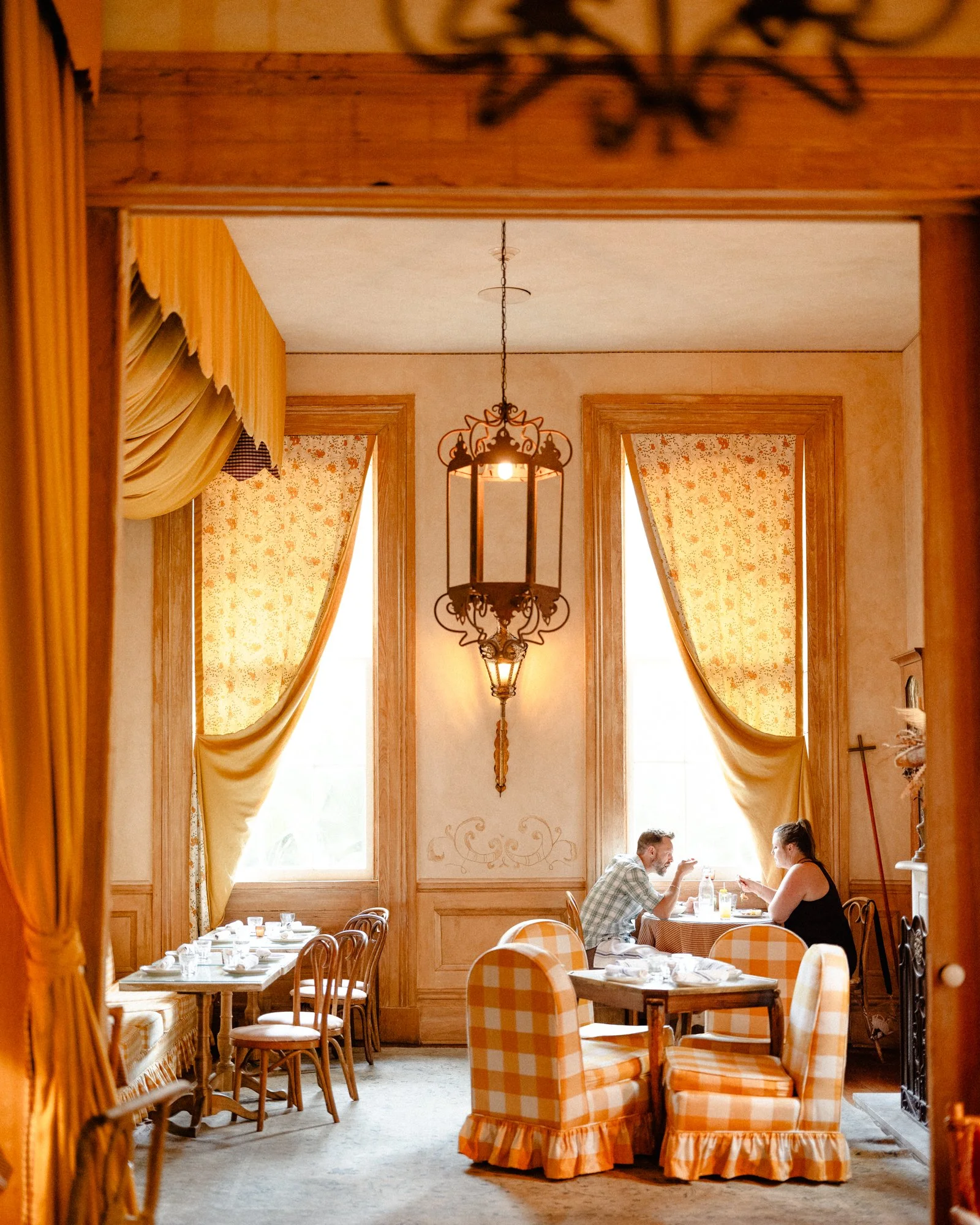
A boutique hotel is rarely defined by its rooms alone.
It is the way morning light falls across a tiled floor. The weight of a linen curtain. A table set before the first guests arrive. The neighborhood just beyond the front door. Coffee carried through a quiet lobby. The small details that make a stay feel distinct.
These are the things guests remember, even when they cannot name them directly.
Choosing the right photographer means finding someone who can see those details and build them into a complete visual story. The work needs to represent the property accurately, but it should also communicate how it feels to be there. That balance is where strong boutique hotel photography begins.
Start with the feeling of the property
Before looking through photographers’ portfolios, take a moment to define what your hotel should communicate.
Is it a quiet retreat in the desert? A design-led property in the city? A heritage inn with a long local history? A coastal hotel shaped by salt air, pale wood, and open windows?
The answer will guide every visual decision that follows.
Consider:
- The mood of the property
- The kind of guest you want to attract
- The surrounding landscape or neighborhood
- The materials, objects, and details that make the hotel recognizable
- The experience you want a guest to imagine
A useful brief might include a few simple phrases rather than a long list of instructions: warm but not formal, textured, slow mornings, close to the landscape, thoughtful food, a sense of history.
This gives the photographer something to respond to. It also helps prevent the imagery from becoming a collection of disconnected room shots.
The strongest photographs usually begin with a clear feeling.
Look for a photographer who understands hospitality
Hotel photography asks for more than technical confidence.
A photographer needs to understand interiors, architecture, food, people, natural light, and the way these elements work together. They need to know when a room should be photographed empty and when it needs a person, a hand, a coat over a chair, or a half-finished cup of coffee to suggest its scale and rhythm.
A photographer who primarily works in another field may still make beautiful images. But hospitality has its own requirements. The work must show the property clearly while preserving its character.
Look for experience across:
- Guest rooms and suites
- Lobbies and public spaces
- Restaurants, bars, and breakfast service
- Outdoor areas and surrounding landscape
- Wellness spaces
- Details in materials, objects, and finishes
- Candid lifestyle moments
A portfolio should make it easy to imagine how the photographer would approach your property. Not just whether they can create a polished image, but whether they understand what makes your hotel different from the one down the road.
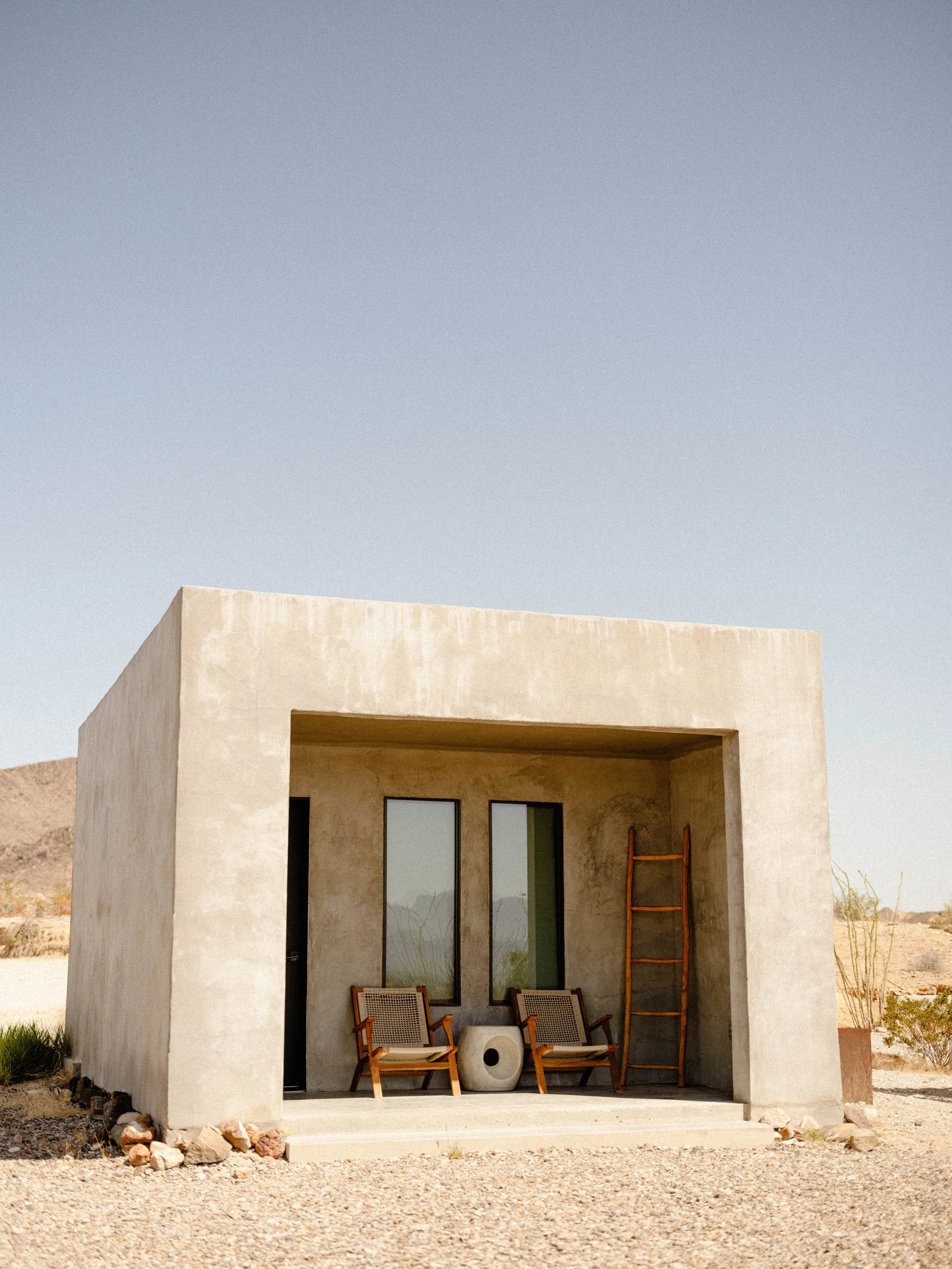
For a sense of how place can guide a shoot, see Fora’s work at Willow House in Terlingua, Texas.
Read the portfolio for atmosphere, not just sharpness
Sharp images are expected. They are not enough.
When reviewing a portfolio, ask whether the photographs feel specific to the place. Could the image belong to any hotel, or does it carry something of that property’s identity?
Pay attention to:
- The quality and direction of light
- The way the photographer handles shadow
- Whether textures feel present and tactile
- How wide and close perspectives are balanced
- The relationship between people and their surroundings
- The overall consistency of color and tone
A strong portfolio will move between broad views and smaller observations. A room seen in full. A close look at the grain of a wooden table. A robe hanging near an open window. A plate arriving at a dining table. A path leading from the hotel into the landscape.
These images give guests a way into the story.
They also create a more flexible library for your website, social channels, editorial features, advertising, and booking platforms. The goal is not to produce one perfect hero image. It is to create a body of work with a clear visual language.
A hotel should feel like itself from image to image.
Prioritize texture and the details guests remember
Boutique properties are often built around details.
Handmade tiles. Local ceramics. Old timber. Woven fabrics. A particular shade of paint. Books chosen for the library. The shape of a chair beside the window. These details are not decoration alone. They carry the history and point of view of the property.
A thoughtful photographer will notice them.
The focus may stay on a quiet arrangement in a room, the warmth of a restaurant at dusk, or the way a material changes in different light. These photographs are useful because they help establish atmosphere without explaining it.
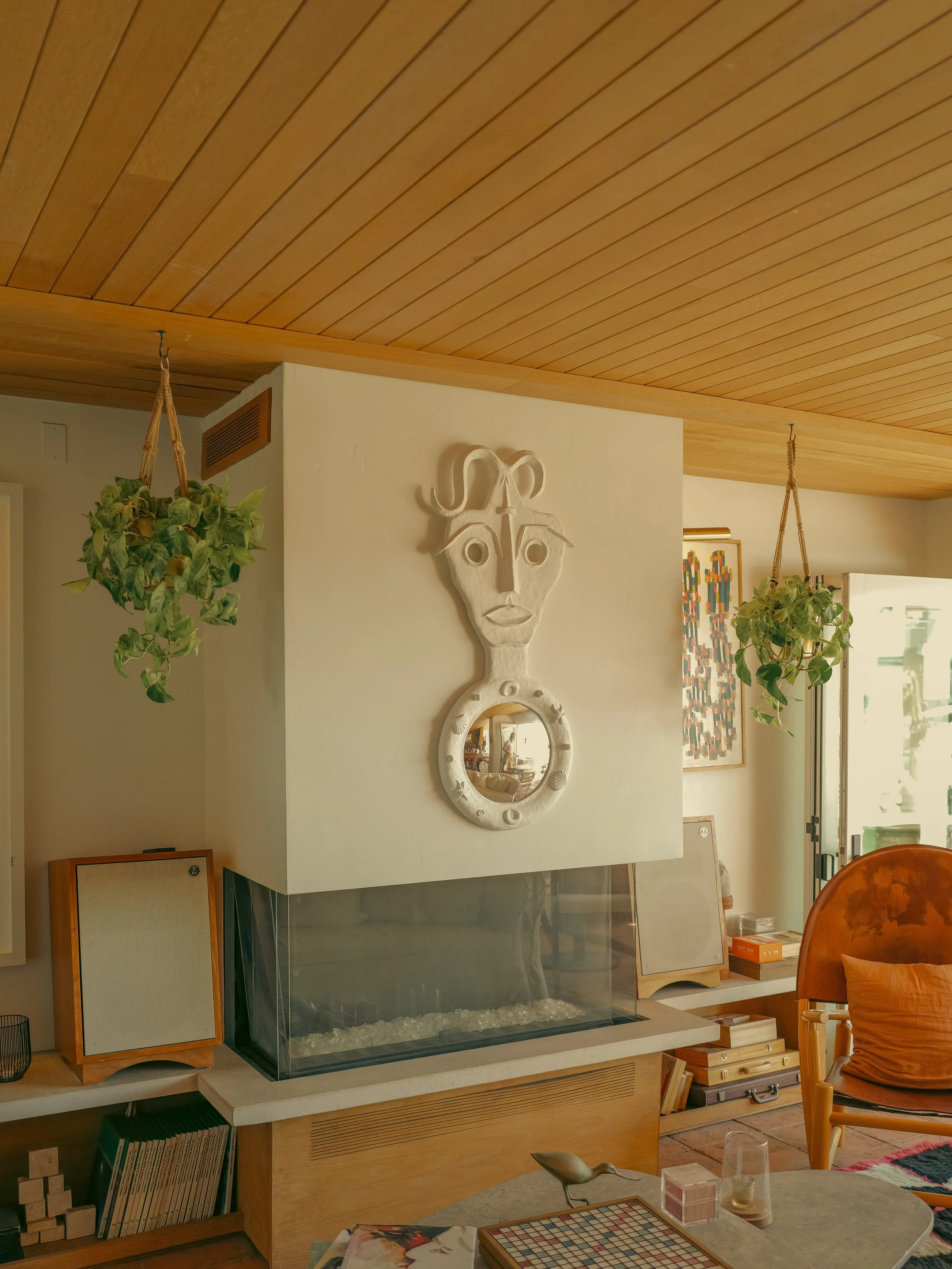
This is especially important for hotels with a strong design identity. A wide photograph can show the architecture, but a closer image often reveals the care behind it.
The detail is where the sense of place becomes tangible.
Make sure the photographer can tell the whole guest story
Your final gallery should follow the rhythm of a stay.
Arrival. Check-in. A room opening onto the view. A drink before dinner. Breakfast in the morning. Time by the pool or on the terrace. A walk beyond the property. The quiet return at the end of the day.
This does not mean every image needs to include a model or a staged activity. In many cases, suggestion is more effective. A pair of shoes near the door. A half-drawn curtain. A book left open. Hands setting a table.
People should feel present without making the photographs feel like advertisements for a lifestyle that does not exist.
When people are included, they should belong to the space. The gestures can remain simple and natural. Walking, resting, pouring, reading, looking out. Small movements are enough.
The best hospitality imagery leaves room for the viewer to enter.
Ask about creative direction and pre-production
A successful shoot is shaped before the camera arrives.
Ask how the photographer approaches planning. Will they help refine the shot list? Do they create a moodboard or suggest references? Will they scout the property and study the light? How do they decide which spaces should be photographed in the morning, afternoon, or evening?
A considered plan should account for:
- The position of natural light throughout the day
- Which spaces need styling or additional preparation
- When staff, guests, or models might be included
- Restaurant and bar service
- Weather and changing conditions
- The balance between planned images and in-between moments
This is where a photographer can function as part of a wider commercial photography studio, rather than simply arriving to document a list of rooms.
At Fora, our approach is responsive. We look at the light, materials, movement, and atmosphere already present, then follow what the property is offering. Sometimes the day begins with a clear shot list. Sometimes the best frame appears between two planned images.
There is room for both.
Clarify the practical details early
The creative fit should come first, but the commercial side matters.
Before booking, confirm:
- The number of shooting days
- The expected number of final images
- What level of editing and retouching is included
- Whether travel, assistants, stylists, or additional crew are part of the estimate
- Delivery timelines
- File formats and sizes
- Usage rights across your website, social media, print, advertising, editorial, and booking platforms
It is also worth asking who will be photographing the property. The person whose work you reviewed should be the person leading the shoot, or the structure should be clearly explained.
A clear agreement protects everyone involved and keeps the creative work moving without unnecessary uncertainty.
Good images need a good framework around them.
Choose a visual partner, not just a service provider
The right photographer will take time to understand the property before suggesting how to photograph it.
They will ask about the story behind the hotel, the guest experience, the surrounding area, and the ways you plan to use the images. They will be interested in the difference between a room that is simply attractive and a room that feels like part of your hotel’s larger world.
This kind of collaboration creates more than a set of assets. It creates a visual record with continuity and feeling.
Fora works across hospitality, interiors, restaurants, travel, and editorial projects, with a focus on natural light, texture, and a strong sense of place. You can explore the wider Fora creative archive, or view our hospitality work from Hotel Peter & Paul in New Orleans and Sabrosa Restaurant in Montréal.
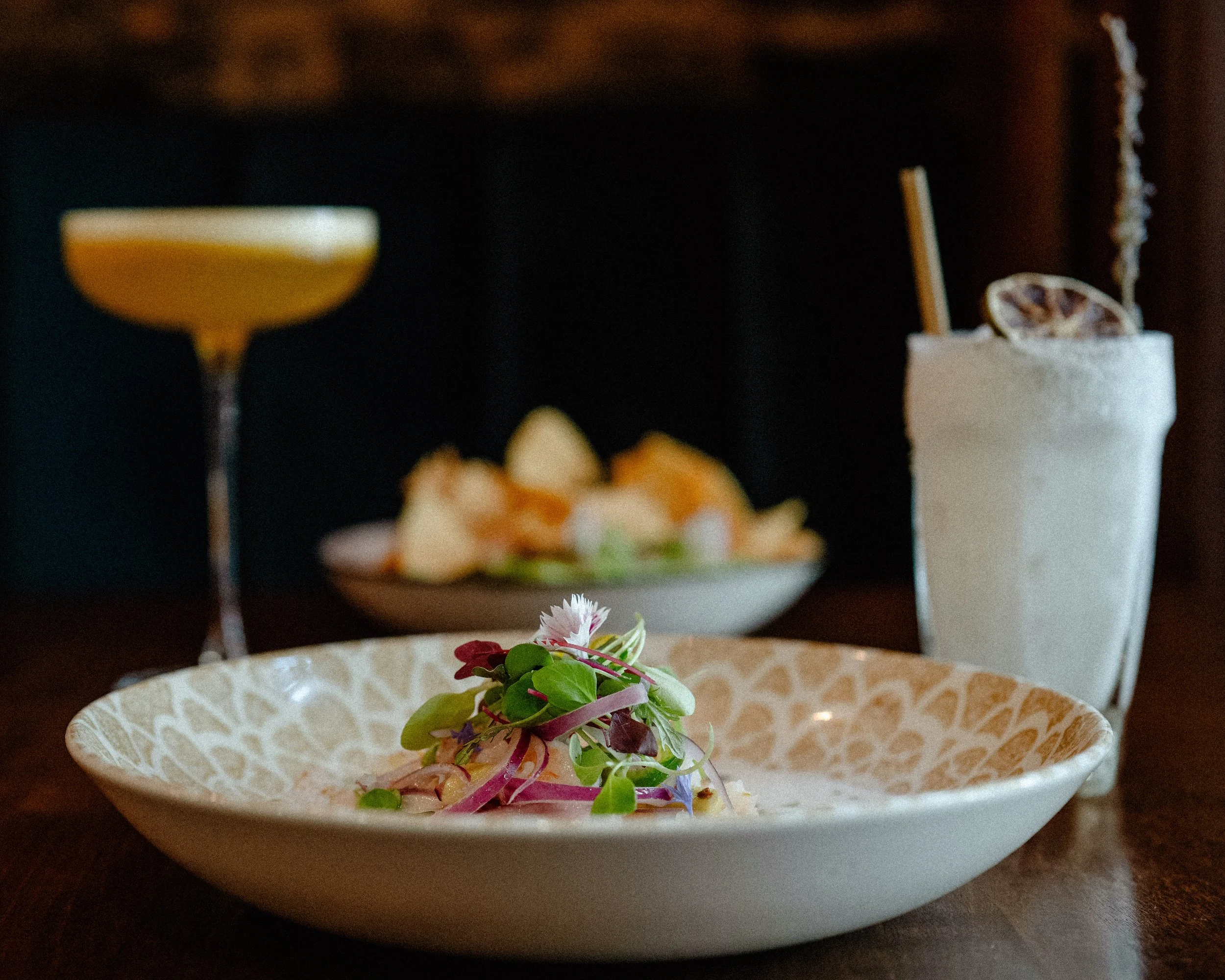
The aim is not to make a boutique hotel look like every other boutique hotel.
It is to notice what is already there: the light, the materials, the landscape, the pauses: and let those things shape the story. That is how the imagery becomes more than documentation.
It begins to feel like an invitation.